

Living United for Change in Arizona (LUCHA) is led by changemakers fighting for social, racial, and...
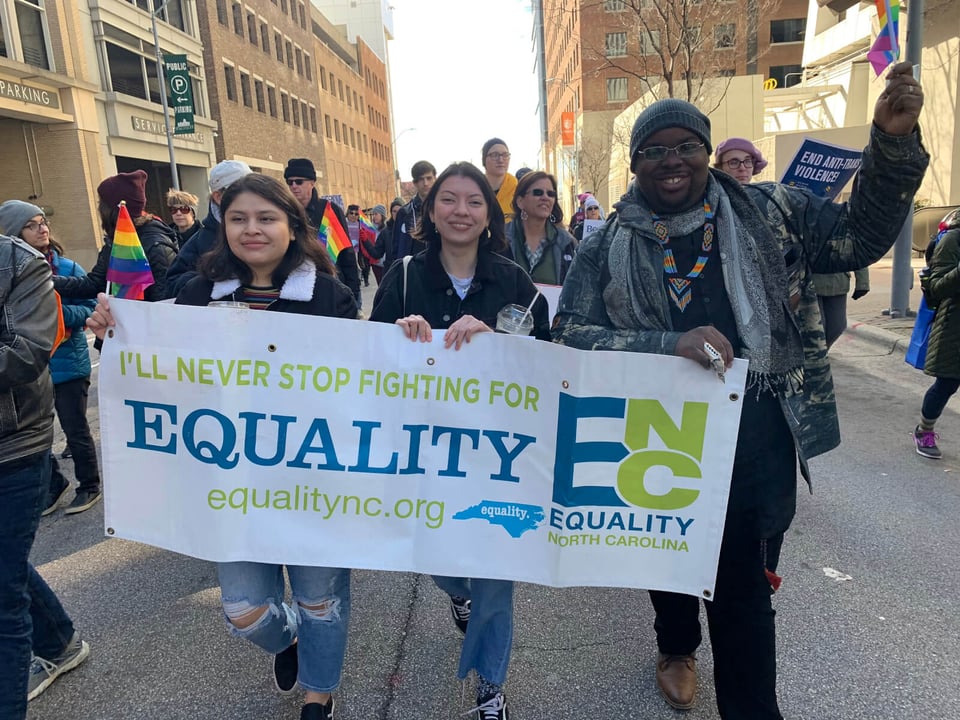
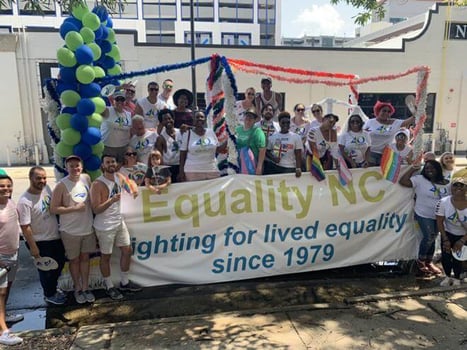
Founded as the oldest statewide LGBTQ organization in the United States, Equality North Carolina works to secure equal rights and justice for lesbian, gay, bisexual, transgender, and queer North Carolinians through organizing, advocacy, and civic engagement across the state.
Overview
With support from Progressive Multiplier, Equality North Carolina undertook a project to organize their donor database and rebuild individual donor relationships after facing significant organizational transitions and a post-pandemic drop in engagement. By implementing data cleanup systems, targeted communications, and strategic donor outreach, Equality North Carolina created a foundation for sustainable revenue generation while re-establishing trust with their community. The project established systems and practices that positioned the organization to weather leadership changes and maintain donor relationships during a period of significant change.
Key Strategies & Tactics
Equality North Carolina's revenue generation initiative consisted of several integrated components designed to rebuild donor relationships while creating systems for future growth:
- Database Organization: Moving from scattered contact lists across Google Sheets and Excel files to a centralized Airtable system, while cleaning up their Raiser's Edge database to improve data accuracy and segmentation capabilities
- Monthly Newsletter: Launching consistent communications to the full donor file, providing updates on organizing work, legislative advocacy, and opportunities for engagement
- Major Donor Reengagement: Conducting one-on-one meetings over coffee with previous major donors, identifying 53 donors at the $1,000+ level over a three-year period
- Community Events: Hosting donor receptions in conjunction with Pride events in Charlotte and Durham to reconnect with key partners, donors, and volunteers
- Coalition Fundraising: Participating in joint grassroots fundraising efforts like Mark Madness, a collaborative campaign with partner organizations
Lessons Learned
- Data Infrastructure Enables Everything Else: Clean data with complete information like ZIP codes and proper segmentation made it possible to send targeted communications, identify local donors for events, and create different messaging for lapsed versus new donors.
- Face-to-Face Engagement Drives Results: In-person meetings and community events proved essential for rebuilding relationships and earning back trust, particularly when navigating organizational transitions and negative publicity.
- Consistent Communications Combat Uncertainty: Monthly newsletters showing the work in action helped fill information gaps when the organization couldn't publicly respond to personnel issues, allowing supporters to see progress rather than just outside criticism.
- Build Systems That Outlast Transitions: Establishing data entry standards, segmentation methods, and communication structures created stability that allowed fundraising work to continue despite executive director and development director turnover.
The Multiplier Effect
Impact
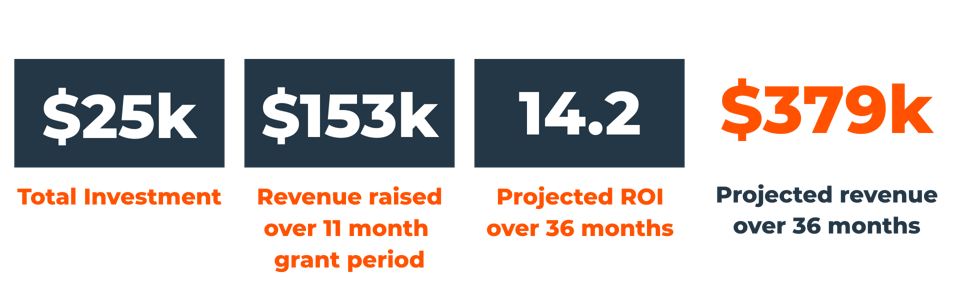
Through this project, Equality North Carolina created the infrastructure needed to maintain donor relationships during a period of significant organizational transition. The database cleanup and segmentation work allowed the organization to move from scattered contact management to targeted communications that could speak to different audiences with relevant messaging. This foundation proved essential when leadership changes required quickly rebuilding relationships and reintroducing new directors to the donor community.
The monthly newsletter became particularly valuable during a difficult period when former staff members went public with grievances that the organization could not address due to personnel confidentiality. By consistently sharing updates about their organizing work, legislative advocacy, and community impact, Equality North Carolina gave supporters a way to see the organization's progress rather than only hearing outside criticism. The newsletter helped combat negative perceptions while demonstrating that the organization remained focused on its mission.
The Pride reception strategy demonstrated how existing community events could serve as platforms for donor engagement. By hosting gatherings in conjunction with Pride celebrations in Charlotte and Durham, Equality North Carolina created opportunities for supporters to connect with new leadership, meet staff and board members, and see the organization's continued commitment to the community. These events yielded new donors while strengthening relationships with existing supporters.
Looking ahead, the systems established through this project position Equality North Carolina to continue building their individual donor program with proper segmentation for targeted appeals, a clean database that accurately reflects donor history, and established communication channels through their monthly newsletter. The organization now has the infrastructure needed to support both grassroots fundraising efforts like March Madness and high-touch major donor cultivation through personal meetings and relationship building.