


During the mass movement around Black Lives Matter in the summer of 2020, Imagine Black had an...
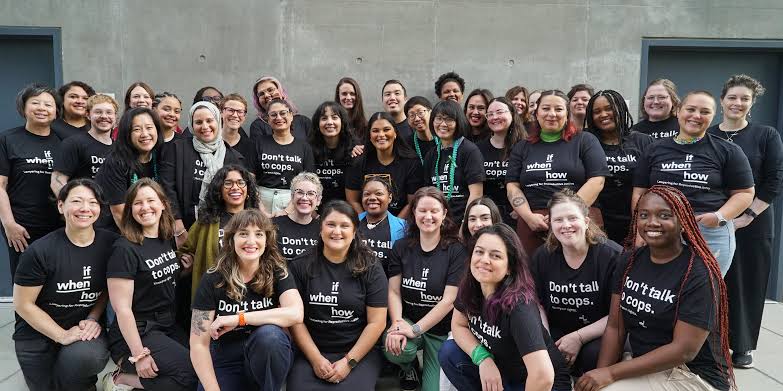
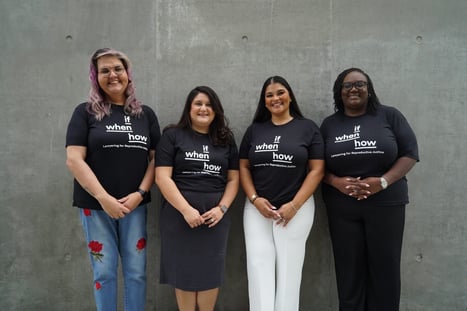
Founded as a national legal organization, If/When/How: Lawyering for Reproductive Justice supports people who need legal help related to self-managed abortion and pregnancy outcomes while training the next generation of reproductive justice lawyers. If/When/How operates the Repro Legal Helpline providing free, confidential legal information, and runs law student chapters and lawyer networks across the country.
Overview
If/When/How developed an email testing experiment to grow their individual and monthly donor base. By designing a comprehensive approach that leveraged data-driven email experimentation, digital storytelling, and targeted donor cultivation, If/When/How built a foundation for sustainable revenue while strengthening their capacity to meet growing demand for legal services. The project transformed their approach to digital fundraising and created pathways for deeper supporter engagement.
Key Strategies & Tactics
If/When/How's digital fundraising initiative consisted of several integrated components designed to diversify revenue while engaging different segments of their supporter base:
-
Email Testing & Experimentation: Deploying systematic email tests to develop best practices for solicitation writing and understand audience behavior by segment
-
Digital Storytelling: Creating compelling content about legal victories like the Pregnancy Loss Dignity Bill and billboard campaigns in markets like Baton Rouge to reach people needing help
-
Major Donor Program: Developing personalized outreach to potential high-dollar donors through strategic relationship building and mission-aligned appeals
-
Monthly Donor Program: Converting one-time supporters into recurring donors through targeted messaging and personalization strategies
Lessons Learned
Leverage Data for Personalization Understanding email audience behavior by segment enables more effective targeting and increases engagement with potential donors
Invest in Testing Infrastructure Systematic experimentation with email messaging requires dedicated capacity and cannot be effectively managed without proper planning
Embrace Iterative Learning Email testing generates best practices over time, with each experiment informing the next round of solicitation strategies
Connect Legal Wins to Fundraising Sharing concrete victories like legislative successes and community outreach helps supporters understand the impact of their contributions
Build Sustainable Revenue Streams Monthly donor programs provide predictable income that supports ongoing legal services independent of institutional funding cycles
Document What Works Capturing successful messaging and personalization approaches creates organizational knowledge that strengthens future fundraising efforts
Impact
Through this experiment, If/When/How was able to develop evidence-based email practices that increased donor engagement while building sustainable revenue streams to support their legal services. Their data-driven approach to testing and personalization resonated with supporters who wanted to make meaningful contributions to reproductive justice work, generating both immediate financial support and long-term monthly commitments.
This approach not only raised funds but enhanced their visibility among potential supporters and strengthened relationships with existing donors who gained deeper understanding of the organization's multifaceted work, from operating the Repro Legal Helpline to supporting law student organizing and community legal education gatherings. The email experiments also improved their brand recognition and demonstrated their capacity for strategic innovation.
Originally motivated by the growing demand for legal services as reproductive rights face increased challenges nationally, the sustainable individual donor base directly supports their ability to provide free, confidential legal information to people navigating self-managed abortion and pregnancy outcomes, allowing them to maintain and expand critical services regardless of shifts in institutional funding priorities.