
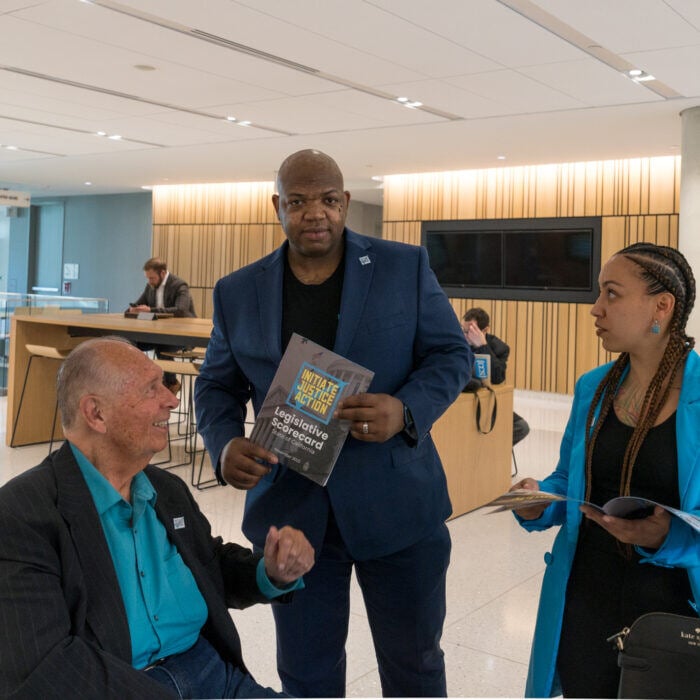
Initiate Justice Action (IJA), an abolitionist-led nonprofit organization, is committed to...
For over five years, Power CA Action has been mobilizing young voters of color across California, registering over 100,000 young voters and mobilizing approximately 60,000 annually. Building on this electoral organizing foundation, Power CA Action aimed to deepen their impact by creating a membership model that would serve as a political home for tens of thousands of young BIPOC voters between the ages of 18 and 34.
Overview
With a grant from Progressive Multiplier, Power CA Action launched a two-year project in March 2022 to build out their membership model with an ambitious dual goal: grow their membership base by recruiting 2,250 members while generating $38,000 in revenue to support their organizing work. The organization saw this as an opportunity to advance their strategic plan and create a sustainable funding stream that would eventually contribute 15 percent or more annually to their budget.
Key Strategies & Tactics
Power CA Action's membership initiative integrated several components designed to leverage their existing organizing infrastructure:
Field-Based Recruitment: Piloting membership recruitment through their proven voter contact field programs, particularly in the Central Valley where they had deep organizing roots and years of on-the-ground presence
Multi-Channel Engagement: Reaching potential and current members through email, SMS, and in-person events to build sustained connection with the organization
Leadership Development: Creating pathways for deeper involvement through a Youth Champions program that identified and developed core members ready to take on organizing roles
Digital Infrastructure: Investing in tools like EveryAction for donor and membership tracking, automated welcome series, and ongoing engagement campaigns
Lessons Learned
Alignment Comes First
Early focus groups with members revealed strong resistance to any membership dues structure. This discovery paused their original fundraising plans and forced the organization to step back and develop alternative approaches to membership revenue, including general supporter appeals and event sponsorships.
Capacity Must Match Ambition
The organization was understaffed across multiple teams when the project launched. Their communications work was handled by consultants, and they didn't reach 70 percent capacity in that team until February 2024. Their membership team grew from one person to three during the project, and development staff had to balance multiple organizational priorities. This capacity gap significantly impacted their ability to execute the revenue generation strategy.
Pilot Projects Need Flexibility
After one year, the organization conducted a thorough assessment and revamped their membership model in mid-2023 to provide deeper engagement and stronger leadership pathways. This willingness to pause, evaluate, and adjust proved essential to the project's long-term value.
Digital Fundraising Has Limits
Heading into the project with a small donor base and poor track record for digital fundraising, the organization learned that their digital fundraising strategy would not yield the results needed to hit revenue goals. They are now evaluating other fundraising models and approaches.
By the Numbers
.png?width=1920&height=600&name=By%20the%20Numbers%20(8).png)
Impact
While Power CA Action fell short of their revenue goals, the project delivered something more valuable: organizational clarity and a foundation for sustainable growth. The process of building their membership model exposed critical gaps in alignment and capacity that might otherwise have gone unaddressed. By mid-2023, with new staff in place and a revamped membership structure, the organization was positioned to move forward with intention.
The 19,465 member leads they recruited represent potential long-term supporters who have already demonstrated interest in the organization's mission. The 50 Youth Champions they developed are emerging leaders ready to plan and execute membership events, including a fundraiser planned for Fall 2024. At their March 2024 staff retreat, the team engaged in deep discussion about implementing a dues model in 2025, armed with the insights gained from two years of experimentation.
The organization's honest assessment of what didn't work has positioned them to make better decisions moving forward. They now understand that their Youth Power PAC will remain their primary grassroots fundraising vehicle, with Power CA Action as a secondary priority. They've learned that member voice must inform fundraising strategy, not the other way around. And they've built the organizational muscle to pilot, assess, and adjust their approach based on evidence rather than assumptions.
For other organizations considering membership models, Power CA Action's experience offers a reminder that building sustainable revenue takes time, alignment, and adequate capacity. Sometimes the most important outcome of a pilot project is learning what needs to change before scaling up.