
The Organization
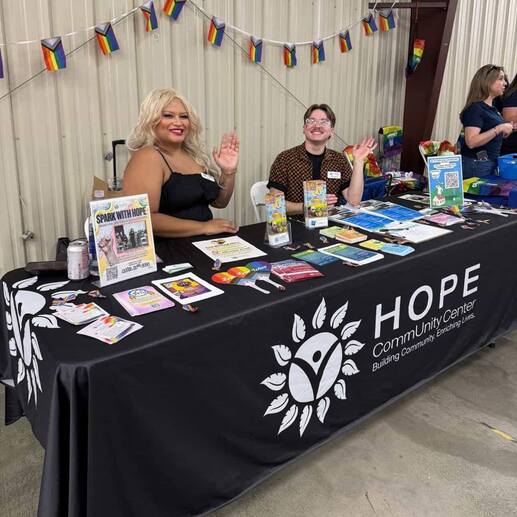
Hope Community Center (HCC) is a 50-year-old nonprofit in Apopka, Florida, founded by three Catholic nuns during the farmworker movement. Rooted in liberation theology, HCC serves 20,000 people annually through an integrated model of direct services, advocacy, and civic engagement. With 60% of staff being former program participants and 90% immigrants or children of immigrants, HCC is deeply embedded in the mixed-status, immigrant communities it serves.
The Goal
Through Progressive Multiplier's Spark program, HCC is determining whether a structured capacity assessment and targeted interventions can strengthen the organization's independent revenue generation infrastructure before launching new revenue strategies. The hypothesis: by identifying and addressing gaps in fundraising systems, staff capacity, and communications first, HCC can build a sustainable foundation for diversifying away from institutional funding dependence.
Strategies & Tactics in Motion
The assessment phase is evaluating HCC’s catalytic capacities across four categories: assets, personnel, tools and tech, and processes. Infrastructure and communications audits have been completed, revealing both strengths and critical gaps. HCC currently generates approximately $500,000 in individual donations annually and over $100,000 from low bono legal services. The organization recently consolidated from 8-9 departments down to 4 and introduced program-level budget autonomy. Assessment meetings are being held bi-weekly through May 2026, with intervention recommendations expected mid-June.
Early Learning
-
Personal relationships are an existing strength. Leaders described gratitude calls and personalized notes that prompted additional gifts.
-
Supporters respond to different messages about services and organizing. Broad messaging may miss those differences; testing tailored outreach is not yet documented.
-
Implementation needs attention. Staff described unused internal documents, overstretched teams, and concerns about charging community members. These constraints may shape which improvements are feasible.
In-Flight Multiplier Signals
While new revenue strategies have not yet launched, the assessment is surfacing actionable capacity gaps and existing revenue strengths that were previously undocumented.
- The Executive Director’s "30-30-30" gratitude calling program—reaching 90 donors with no-ask thank-you calls—consistently results in donors doubling their gifts.
- Key infrastructure needs have been identified: a donor welcome series (currently rated 1/5 satisfaction), organizational voice document, capacity mapping tool, and segmented donor messaging for two distinct supporter bases.
These findings are expected to guide targeted interventions that prevent staff burnout while enabling sustainable revenue growth.
What We're Watching Next
As the experiment continues, key questions include whether targeted communications interventions can increase donor engagement without adding to staff workload, how segmented messaging will perform with service-oriented versus organizing-focused supporters, and whether staff resistance to fee-for-service models can be addressed by reframing fundraising as organizing. The team reconvenes mid-June 2026 for intervention recommendations, followed by implementation and monthly check-ins before entering the revenue modeling phase in late August.
Why This Matters Now
In a state where progressive organizing faces increasing funding challenges, HCC is testing whether building strong internal systems first—rather than immediately chasing new revenue streams—creates more sustainable growth. This experiment surfaces a critical tension many grassroots organizations face: how to resource power-building work when staff are already over capacity and uncomfortable with fundraising. Early patterns suggest that naming gaps honestly and investing in foundational tools may unlock new possibilities for community-rooted revenue generation.